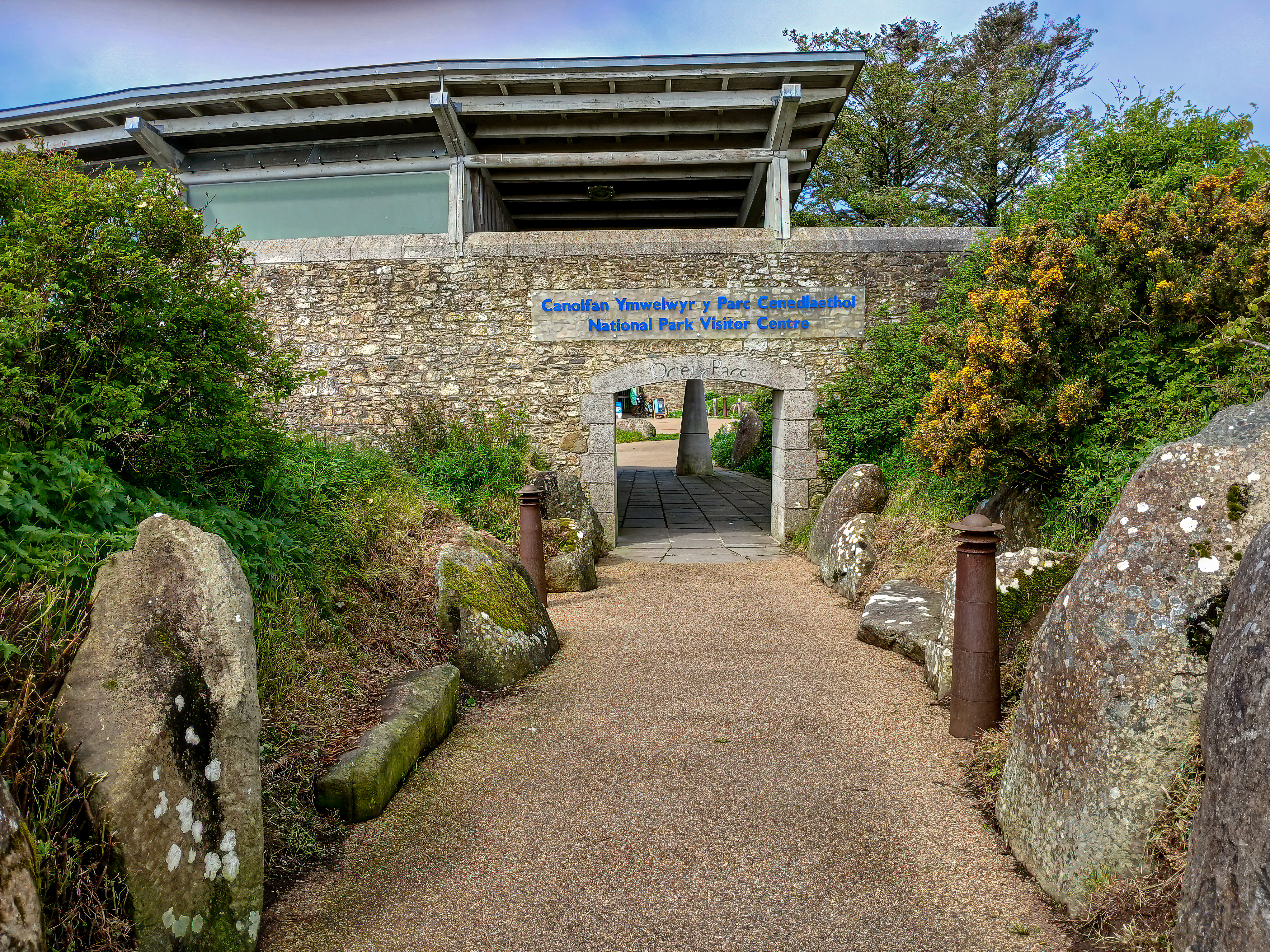
On 4th May 2024, I visited the
following sites:
Cwm Rheidol, Ceredigion
RSPB Ynys-Hir, Powys
MWT Dyfi Osprey Project, Powys
Bwlch Nant yr Arian, Ceredigion
Rhayader and Elan Village area
My first
visit of the day was to Cwm Rheidol,
a short distance from my overnight stay at
the George Borrow Hotel in Ponterwyd.
The highlights from my
visit included the following (heard only records in italics): Wood Warbler (3 singing
males), Willow
Warbler (1 singing male plus 2 other singing
males), Chiffchaff
(4 singing males), Blackcap (1 singing male plus 2 other singing males), Goldcrest (several birds heard calling or singing), Grey Wagtail (1), Red Kite (1), Common Buzzard (1), Kestrel (1), Great
Spotted Woodpecker (1), Mallard (3)
Addition to 2024 UK year
list: Wood Warbler
My next visit was to RSPB Ynys-Hir, a site that I had
visited many times before and one of my favourites in Wales.
RSPB Ynys-Hir is situated on the Dyfi estuary with the mountains of southern Snowdonia to the north
and the Cambrian mountains to the south. There is an extensive range of
habitats at RSPB Ynys-Hir including oak woodland, estuary
saltmarsh, lowland wet grassland, freshwater pools, reedbeds and peat bog and
this provides for a wide variety of species.
The undoubted highlight of my
visit to RSPB Ynys-Hir this year
was extended views of 2 Otters swimming and hunting, my first record of
this mammal in Wales. Unfortunately, due to the continuing rain, I decided to
leave my camera in the car so I have no photos of this amazing encounter!
The highlights from my visit included the following (heard only records
in italics): Pied Flycatcher (1 singing male and 4 other singing males heard), Spotted
Flycatcher (1), Wood
Warbler (1 singing male plus another singing male heard),Garden
Warbler (2 singing males), Grasshopper
Warbler (2 singing males), Sedge
Warbler (1 singing male), Cetti’s
Warbler (2 singing males), Willow
Warbler (6 singing males), Chiffchaff (7
singing males), Blackcap (3 males, 2 females plus 4 other singing males heard), Sand
Martin (c.20), Swallow (c.10), House
Martin (1), Nuthatch (3), Mistle
Thrush (1 singing male), Goldcrest (1
plus several other calling and singing birds), Siskin (c.5), Coal Tit (1), Common
Buzzard (1), Great
Spotted Woodpecker (1), Great
White Egret (1), Grey
Heron (1), Common
Sandpiper (1), Curlew (1), Lapwing (4), Oystercatcher (5), Common
Redshank (1), Wigeon (1
male), Mallard (5), Shelduck (5), Cormorant (1), Mute Swan (4 including a pair with 8 juveniles), Canada Goose (c.100 including some pairs with juveniles), Little
Grebe (1), Great
Crested Grebe (1), Moorhen (2), Otter (2), Grey
Squirrel (c.10)
Additions to 2024 UK year
list: Spotted Flycatcher, Grasshopper Warbler
The MWT Dyfi Osprey Project lies just 3 miles to the north of RSPB Ynys-Hir. It is a conservation project at the Cors Dyfi
nature reserve under the management of the Montgomeryshire Wildlife Trust and
is primarily dedicated to the protection of a breeding pair of Ospreys which
can be watched on site or via a live
YouTube stream.
In 2011, for the first time in over 400 years, Ospreys bred in the Dyfi valley at the Cors Dyfi nature reserve following 3 years work to reintroduce them into the
area.
On 18th April 2014, Montgomeryshire Wildlife Trust opened a brand new, 3 floor £1.4m
observatory. From the upper viewing level, over 30 feet above the bog
below, the building provides a full 360 degree view of the Cors Dyfi nature reserve and Dyfi valley with the Plynlimon mountains and Snowdonia National Park beyond …. plus the nesting Ospreys.
In addition to the headlining Ospreys, a Beaver enclosure
has been set up in partnership with the Welsh Beaver Project …. see here and here.
The highlights from my visit included the following (heard only
records in italics): Osprey (male and female), Red Kite (2), Pied
Flycatcher (1 singing male), Grasshopper Warbler
(2 singing males), Reed Warbler (at least 2 singing
males), Sedge Warbler (1 singing male plus several other singing
males heard), Cetti’s Warbler (1 singing male), Willow
Warbler (1 singing male plus 4 other singing males heard), Chiffchaff (2
singing males), Swallow (2), Reed Bunting (2 singing males), Canada Goose (4)
Addition to 2024 UK year
list: Osprey
Photo: MWT Dyfi Osprey Project visitor centre
Photo: distant and heavily cropped record shot of Osprey
Photo: distant and heavily cropped record shot of Osprey
Photo: distant and heavily cropped record shot of Osprey
Photo: screen grab from live camera stream in the MWT Dyfi Osprey Project visitor centre
Photo: screen grab from live camera stream in the MWT Dyfi Osprey Project visitor centre
Photo: screen grab from live camera stream in the MWT Dyfi Osprey Project visitor centre
Photo: artwork in the MWT Dyfi Osprey Project visitor centre
Photo: the closest I got to seeing a real Beaver!After my visits to RSPB
Ynys-Hir and MWT
Dyfi Osprey Project, I returned to Ponterwyd and nearby Bwlch Nant yr Arian
The Visitor Centre at Bwlch
Nant yr Arian is perched on a dramatic hilltop,
straddling the boundary between the lowlands and uplands and has commanding
views of Cardigan Bay and the Cambrian Mountains.
Bwlch
Nant yr Arian is well-known for its long-established
tradition of daily feeding of Red Kites. It
initially became a Red Kite feeding station in 1999 as
part of a programme to protect the small number of these birds in the area at
that time but now up to 150 birds can be seen coming in to feed in the
afternoons. Unlike other Red Kite feeding stations in Wales,
there is no charge to watch and photograph these amazing birds.
The highlights
from my visit included the following (heard only records in italics): Red Kite (c.150), Grey
Heron (1), Goosander (4 males), Tufted Duck (male
and female), Mallard (2 males), Little Grebe (1), Tree
Pipit (1 singing male), Willow Warbler (1 singing
male), Lesser Redpoll (1 calling male)
Photo: Bwlch Nany yr Arian
Photo: the main lake at Bwlch Nany yr Arian with the Red Kite feeding station on the far side
Photo: Red Kites
Photo: Red Kites
Photo: Red Kites
Photo: Red Kites
Photo: Red Kites
Photo: Red Kites
Photo: Red Kite
Photo: Red Kite
Photo: Red Kite
Photo: Red Kite
Photo: Red Kite
Photo: Red Kite
Photo: Red Kites
Photo: Red Kite
Photo: Red Kite
Photo: Red Kite
Photo: Red Kites
Photo: Red Kite
Photo: Red Kite
Photo: Red Kite
Photo: Red Kite
Photo: Red Kites
Photo: Red Kites
Photo: Red Kite
Photo: Red Kite
Photo: Red Kite
Photo: Red Kite
Photo: Red Kite
Photo: Red Kites
Photo: Red Kite
Photo: Red Kite
Photo: Red Kite
Photo: Red Kites
Photo: Red Kites
Photo: Red Kites
Photo: Red Kite
Photo: Red Kite
Photo: Red Kite
Photo: Red Kite
Photo: Grey Heron
Photo: Grey Heron
Photo: male Goosanders
Photo: male Goosander
After the
incredible spectacle of so many Red Kites at Bwlch Nant yr Arian, I drove the 23 mile minor road across the mountains to
Rhayader.
From here, I drove the short distance to Elan Village and picked
up the very narrow road at RSPB
Carngafallt which
passes through some lovely woodland and other landscapes before returning to a
point on the Elan Village to Rhayader road. At one point, there is a view of
the River Wye which I usually stop at to hopefully see Dipper, Grey
Wagtail and Common Sandpiper.
Driving this road provided the
following highlights (heard only records in italics): Common Redstart (1 male), Willow
Warbler (several singing males), Blackcap (several
singing males), Chiffchaff (several singing males), Cuckoo (1), Bullfinch (1), Mistle
Thrush (1), Red Kite (1)
My stop by the River Wye failed to provide any sightings of Dipper, Grey Wagtail and Common
Sandpiper but I did see 2 more Red Kites. Most notably,
however, I had my first ever sighting of a Daubenton’s Bat
foraging and hunting low over the surface of the river.
After having a meal in Rhayader, I
drove the short distance out of the town to RWT Gilfach where I had planned to sleep
in the car in readiness for a very early start the next morning on International Dawn Chorus Day.
Love nature .... act now
Restore and rewild our natural world
Please help save and enhance our laws that protect our environment and wildlife
💚🦆 🦉🦋🐝🦊🦡🌼 🌳💚
Stay safe, stay well, stay strong, stay connected with nature